01 · Passive
Recording instead of intervening
Traditional systems capture what happened. You find the useful footage afterwards, not while it is happening.
The damage is done before anyone looks.
VICAMOS sees what is happening on your site, intervenes according to your rules and documents every event — without anyone needing to sit at the other end of the line.
Pilots start at a single camera. No monitoring-centre lock-in.

The cameras got better. The operating model behind them did not: camera, monitoring centre, human, phone call.
Traditional systems capture what happened. You find the useful footage afterwards, not while it is happening.
The damage is done before anyone looks.
Motion sensors react to wind, animals and headlights. Every false alarm costs attention — and often a fee.
The real alarm drowns in the noise.
Someone in the monitoring centre has to detect, assess, decide and react. Every dispatch costs extra, typically €80–150.
Delay and cost on every alert.
The provider runs the workflow. Live view, alerts and reports are scattered, and footage has to be requested.
You are a customer of your own security system.
Multi-year terms, rented proprietary hardware, the provider's own monitoring centre. Switching means starting over.
You stay because leaving costs more.
What happened overnight arrives in an email — if at all. No log, no reporting for the insurer, the client or management.
When there is a claim, the proof is missing.
Both systems see the same incident. The difference starts in the second that follows.
The response depends on someone looking at the right moment.
The response starts the moment the event does.
The response depends on someone looking at the right moment.
The response starts the moment the event does.
Four steps that run without anyone intervening. You set the rules for them, not us.
People, vehicles and defined situations are detected — analysed on secure servers in Germany.
Judges whether what is happening is expected at this place and this time of day.
Is there motion?
What is happening here?
Your security policy sets the level. VICAMOS executes it, from silent observation to approved escalation.
The escalation ladder ↓
Every event is recorded with its trigger, rule, response and outcome, and lands in the daily report.
Record and keep tracking. No alert.
Push notification to the people you designated.
Announcement or audible warning on site.
Lighting, siren or stronger intervention.
Your staff or security provider reviews the event.
Approved external response.
Human verification can sit in front of any external escalation. You decide where that line runs.
Not: call us if you need footage.
Instead: log in and look.
Every site, every camera, one picture.
The security system in the pocket of your authorised staff.
From management to subcontractors, everyone sees exactly their cameras. One site or a hundred, one interface.
Every morning, an automatic report on the previous day. You wake up knowing what happened.
As a PDF, by email to your distribution lists, and searchable in the archive.
VICAMOS is not a construction camera. Construction sites are one deployment among many.
A changing risk profile, high material value, no fixed infrastructure.

Large areas with clearly separated restricted and operating zones.

Constant traffic in which the one wrong vehicle has to stand out.
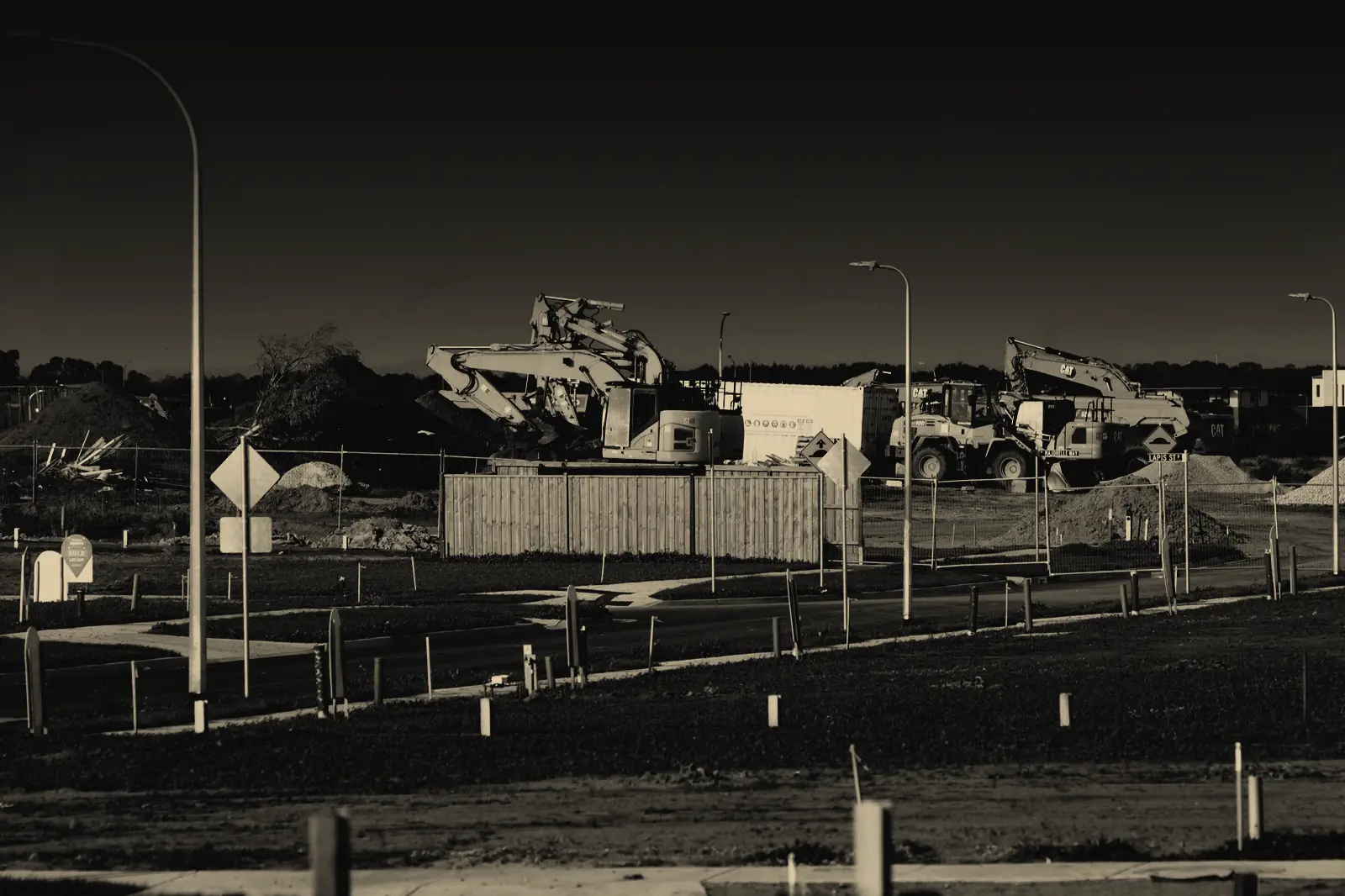
High value on a small footprint, nobody present at night.
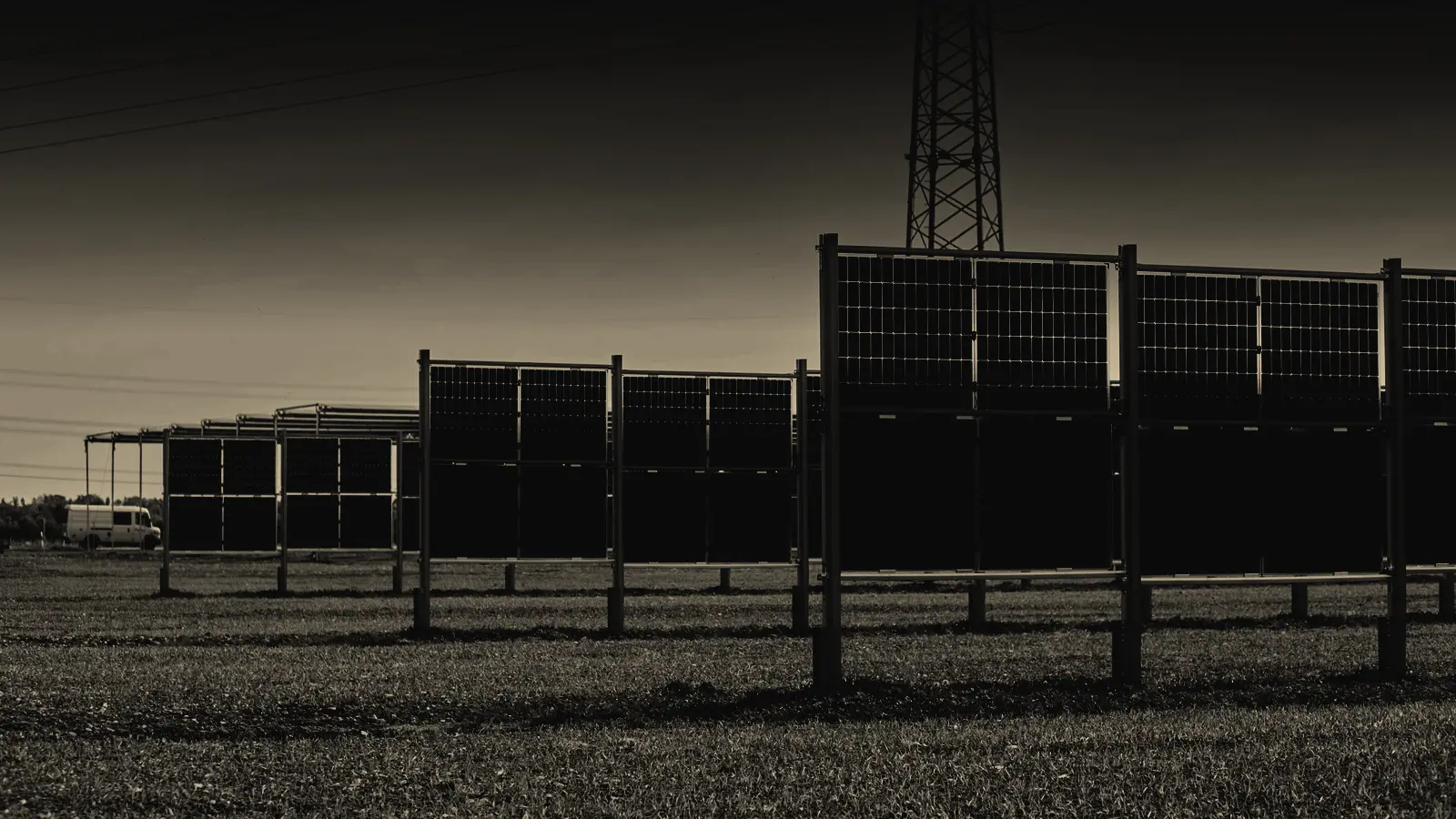
Remote, sprawling and economically attractive to steal from.
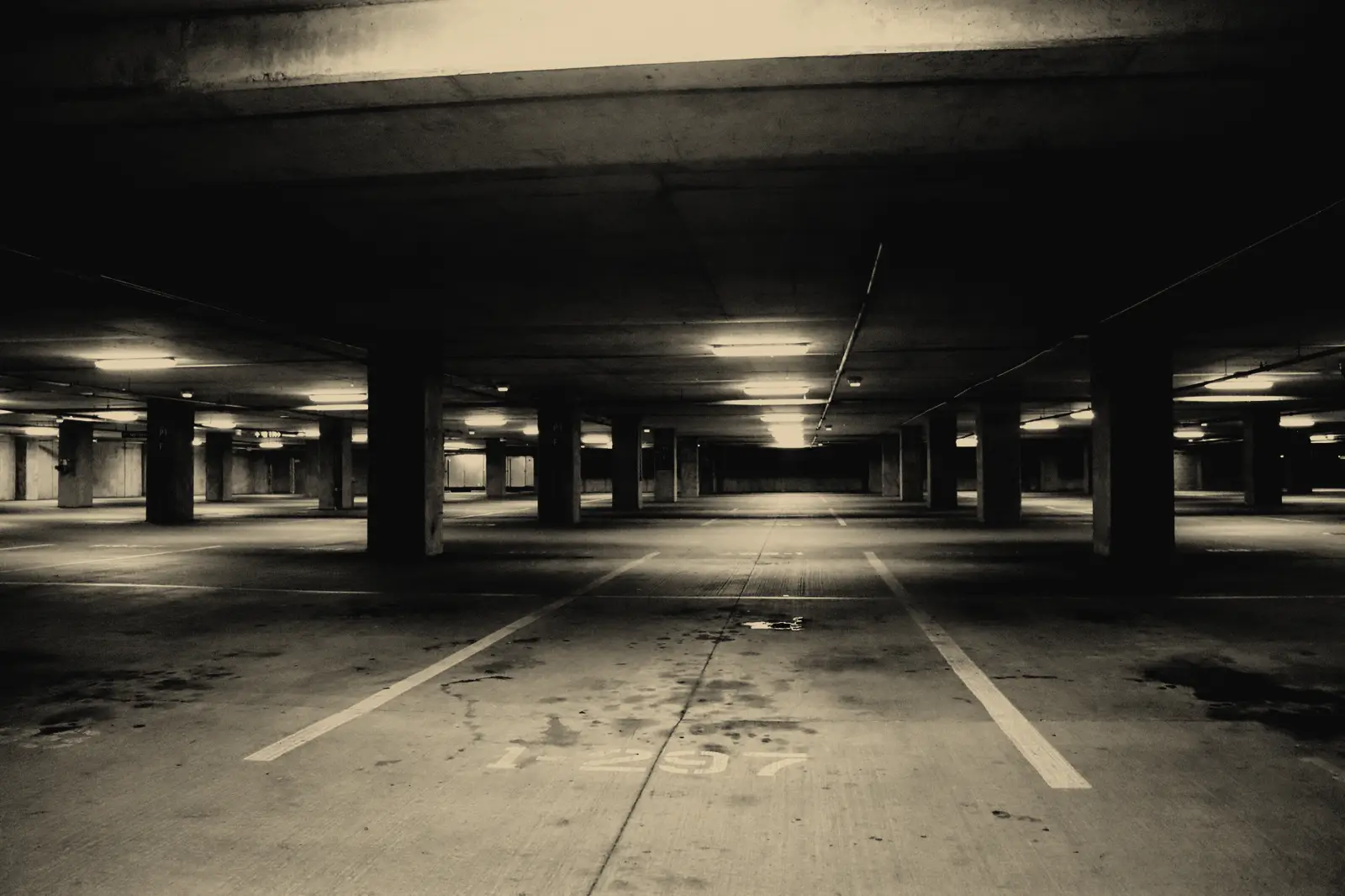
Parking structures, depots, rented space — several users, clear access rights.
Not a GDPR badge in the footer, but concrete controls the software actually enforces.
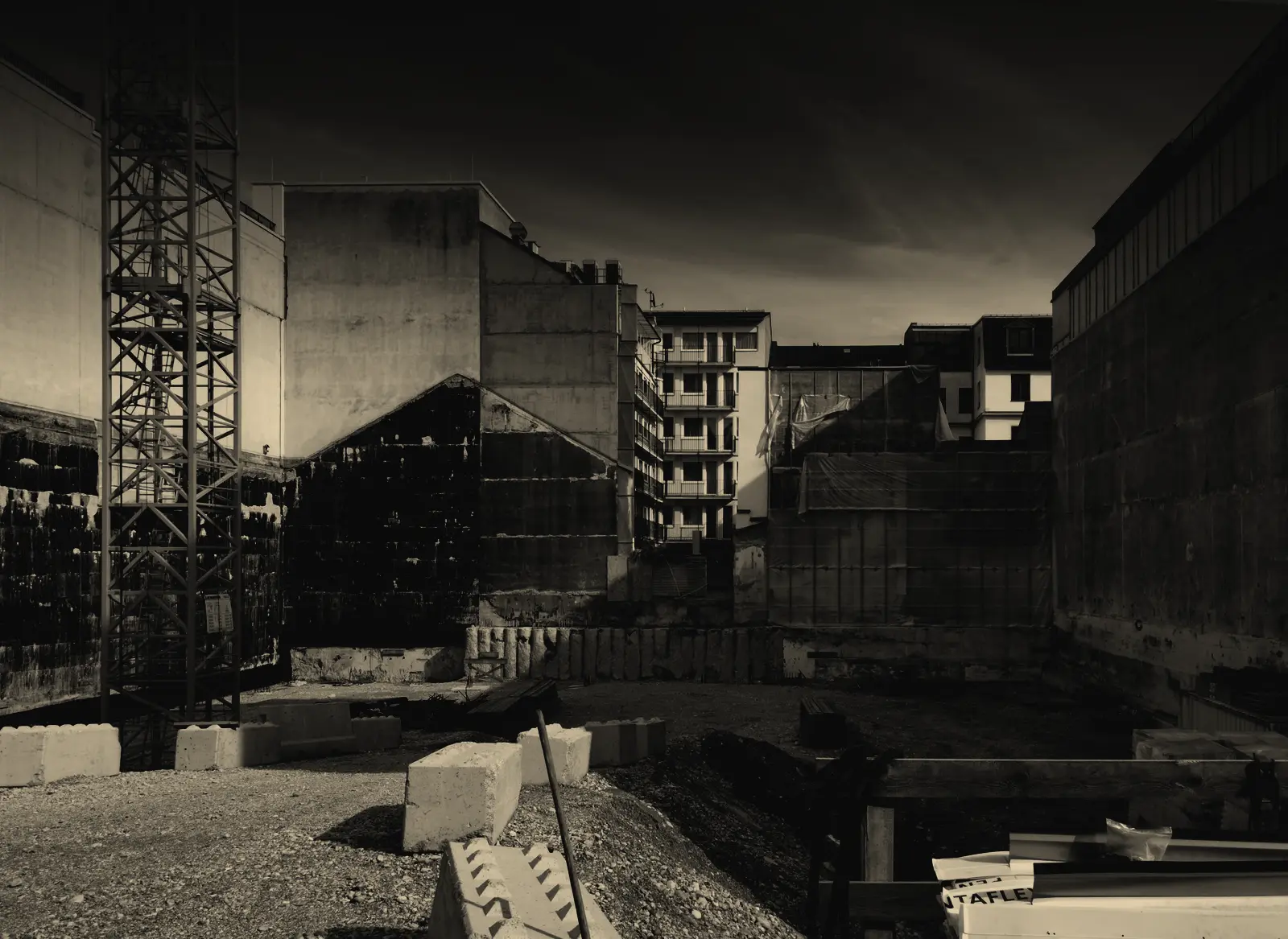
Neighbouring properties, windows, balconies and public paths are permanently masked.
Set per recording and event type, not one blanket rule.
For every camera, why it exists is documented.
Not everyone with the app needs access to every camera.
Who viewed, exported or changed what.
The software enforces the retention period, not a calendar reminder.
Purpose binding, signage and deletion are configuration in VICAMOS rather than process.
The design and documentation of installations follow this application guideline.
Roles, zones and the audit log give you the technical facts a works-council agreement needs.
Certifications are not yet complete. We will name them with the certifying body, number and scope once they exist — until then, what counts is what the software enforces today and what you can verify in a pilot.
Camera, software, response and service from one provider — instead of nine products you have to connect yourself.
Night vision, speaker and warning light. If the connection drops, it keeps detecting and responding on its own.
Browser cockpit and iOS and Android apps, with roles and an audit log.
Detection, response and escalation by your rules, plus the daily report.
API, webhooks, alarm systems and access control — or your existing monitoring centre as a receiver.
Provisioning, installation, remote maintenance and health monitoring.
Installation and maintenance are included. Pricing is agreed in the pilot conversation, based on site, camera count and response levels.
Get in touchQuestion missing? Ask it in the pilot conversation — we would rather answer specifically than generally.

One pilot site, real events, your rules. After that you decide on measurements rather than on a brochure.
Co-founded alongside Voltage Security — a decade of hands-on security operations in the Rhein-Main region, not something drawn up on a whiteboard.
Pilots start at a single camera. No monitoring-centre lock-in.